Europe’s Wildest Heritage
Please log in to leave a comment.
No comments yet. Be the first to share your thoughts!
Sep 20, 2025
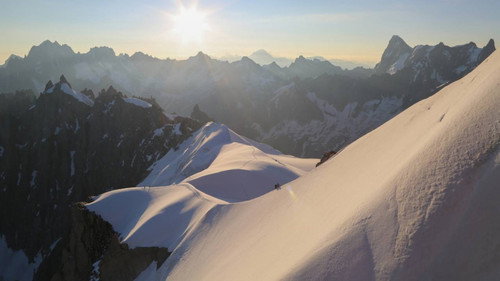
Majestic and timeless, Mont Blanc is much more than just a summit. The cradle of mountaineering, it first saw science guide the first ascents, before becoming the Mecca of high-altitude sports. But Mont Blanc is first and foremost a living, natural heritage, concentrating all the biodiversity of the Alpine massifs. Today, global warming is jeopardizing the snows that were once thought to be eternal, and with them the harmony between man and mountain.
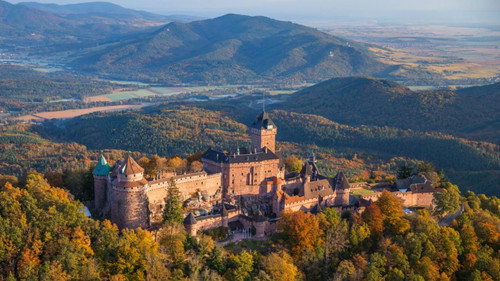
Perched on the heights of Alsace since the XIIᵉ century, Haut-Koenigsbourg castle has witnessed the power struggles that have shaped the region. But its history is not limited to human rivalries: by modifying the landscape, its builders also transformed the surrounding flora and fauna. Forests, meadows and rivers have evolved, impacting emblematic species such as the white stork, the wildcat and the European hamster. Today, visited by thousands of tourists, the château stands helplessly by, witnessing the growing rift between man and his environment...
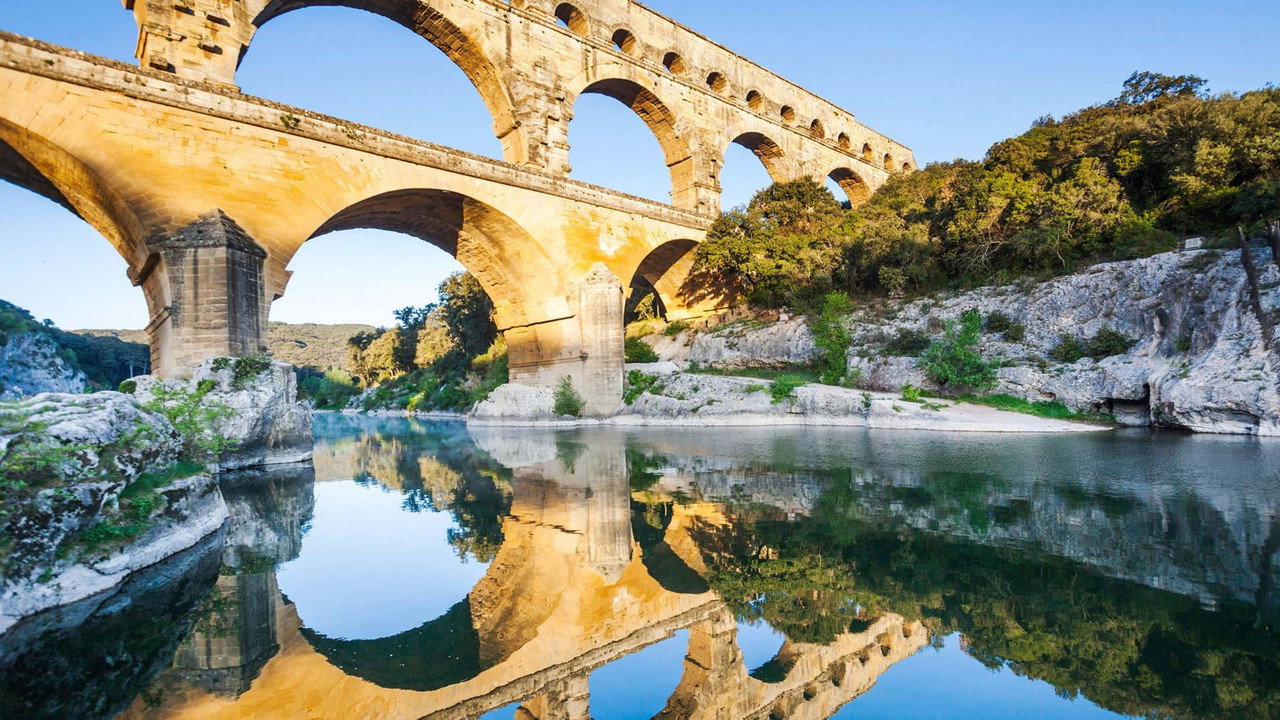
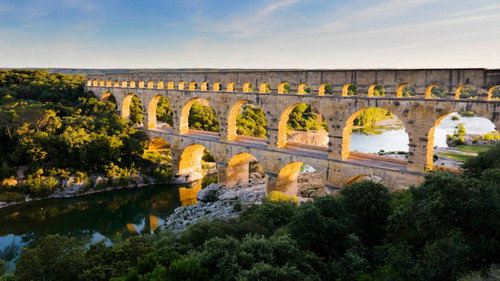
In a garrigue bathed in sunshine, the Gardon shapes a wild landscape where life adapts to its whims. 2,000 years ago, the Romans defied this indomitable river by building the Pont du Gard, a veritable masterpiece of engineering. A symbol of human mastery over nature, the edifice has nevertheless blended into its surroundings over time. Little by little, plants and animals have colonized its stones, transforming this ancient monument into an incredible refuge for Mediterranean biodiversity.
Sep 21, 2025
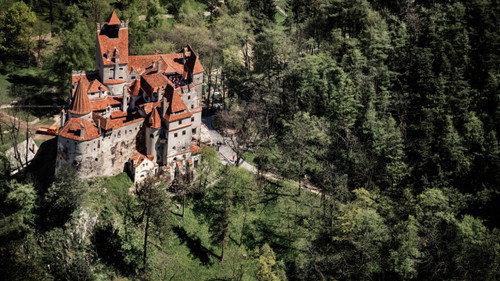
Dominating the Romanian Carpathians, Bran Castle stands guard over a land of legends. Associated with the most famous of vampires, Dracula, it attracts crowds in search of artificial thrills. But in the dark woods surrounding the fortress, other wild creatures lurk, far more real than the old count... Bears, lynx and wolves have made these ancient forests their main refuge in Europe. In the shadow of the castle, between flourishing tourism and the need for preservation, a new cohabitation between humans and beasts is taking shape.
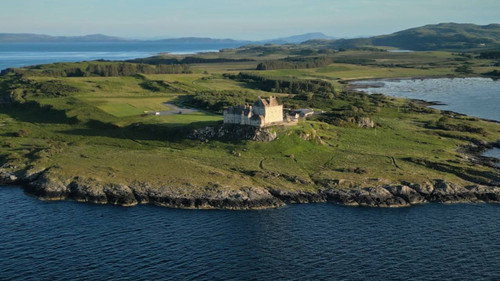
In the heart of the Isle of Mull, battered by winds and sea spray, Duart Castle dominates a wild landscape. Witness to clan conflicts and Scottish destinies, the proud Highland stronghold now seems eclipsed by another history: that of the beasts. Eagles, otters and deer now attract visitors who come to capture the image of unspoilt nature. This fascination with the wild is gradually redrawing the fragile balance between human and animal heritage. Can the Isle of Mull preserve this cohabitation without one taking precedence over the other?
Add a play
When did you watch this?
Install Scrob
Add to your home screen for the full app experience.

No comments yet. Be the first to share your thoughts!